Buy microliving.eu ?
We are moving the project
microliving.eu .
Are you interested in purchasing the domain
microliving.eu ?
domain@kv-gmbh.de · 0541-91531010
Buy microliving.eu ?
Why are all stainless steels considered to be stainless steels?
All stainless steels are considered to be stainless because they contain a minimum of 10.5% chromium, which creates a protective layer of chromium oxide on the surface of the steel. This layer prevents corrosion and staining, giving stainless steel its characteristic resistance to rust and corrosion. Additionally, stainless steels may also contain other alloying elements such as nickel, molybdenum, or titanium, which further enhance their resistance to corrosion and staining. Therefore, all stainless steels share the common characteristic of being resistant to rust and corrosion, making them suitable for a wide range of applications. **
Which stainless steels are magnetic?
Stainless steels that are magnetic are primarily the ferritic and martensitic types. Ferritic stainless steels, such as grades 409, 430, and 439, contain high levels of chromium but low levels of carbon, making them magnetic. Martensitic stainless steels, like grades 410 and 420, are also magnetic due to their high carbon content and the addition of elements like nickel and chromium. Austenitic stainless steels, on the other hand, such as grades 304 and 316, are non-magnetic due to their crystal structure. **

Similar search terms for Steels
Top-Angebote
Products related to Steels:
-
Modern Minimalist Tilt-Out Shoe Cabinet with Heavy Duty Frame and Space-Saving Design(1)Heavy-Duty Steel Frame ConstructionEngineered with premium cold-rolled steel metal framework, this shoestorage cabinet delivers exceptional stability and superior weightcapacity.167,49 $*Shipping: 0,00 $Secure redirect to the provider
-
Perfect Picks Market Space Saving Closet Organizer With Clips Hangs Pairs Of Leggings, Efficient Black Hanger pinkSay goodbye to clutter and hello to a wellorganized closet with our spacesaving closet organizer. Perfect for anyone struggling with limited closet space, this hanging organizer holds up to 40 pairs of leggings, making it easy to find your favorites...33,97 $*Shipping: 0,00 $Secure redirect to the provider
-
FUFU&GAGA Modern Minimalist Lockable Laundry Room Storage Cabinet with 8 Shelves,Tall Space-Saving DesignTurn a crowded laundry area into a more organized, efficient, and easier-to-manage part of the home with a cabinet that gives everyday essentials a visible place, keeps backup supplies neatly contained, and helps you use vertical space instead of...208,99 $*Shipping: 0,00 $Secure redirect to the provider
-
Value Selection Ajax Steel Ladder Bookcase Space Saving Modern Vertical Bookshelf Ajax Steel Ladder Bookcase Space Saving Modern Vertical BookshelfBring comfort and convenience to every page. This natural bamboo book stand keeps cookbooks, textbooks, sheet music, and tablets comfortably positioned for handsfree use. Its five adjustable viewing angles make reading, studying, cooking, or...509,97 $*Shipping: 0,00 $Secure redirect to the provider


-
How are flat steels welded?
Flat steels are typically welded using one of several methods, including shielded metal arc welding (SMAW), gas metal arc welding (GMAW), or flux-cored arc welding (FCAW). SMAW, also known as stick welding, uses a consumable electrode coated in flux to create the weld. GMAW, or MIG welding, uses a continuous solid wire electrode and a shielding gas to protect the weld from atmospheric contamination. FCAW is similar to GMAW but uses a tubular electrode filled with flux instead of a solid wire. Each method has its own advantages and is chosen based on the specific requirements of the welding project. **
-
Which steels are easily machinable?
Steels that are easily machinable typically have a higher amount of sulfur and phosphorus, which helps to break the chips during the machining process. Free machining steels, such as 12L14 and 1215, are known for their excellent machinability due to their high sulfur content. Additionally, leaded steels, such as 11L17 and 11L41, are also easily machinable because the lead acts as a lubricant during the cutting process, reducing friction and improving machinability. These steels are commonly used in applications where high-speed machining and excellent surface finish are required. **
-
Which steels are resistant to seawater?
Stainless steels such as 316 and 316L are highly resistant to seawater corrosion due to their high levels of chromium and molybdenum. These steels are commonly used in marine applications such as boat fittings, underwater equipment, and offshore platforms. Additionally, duplex stainless steels, which contain a combination of austenitic and ferritic microstructures, also offer good resistance to seawater corrosion. These steels are often used in seawater piping systems and desalination plants. **
-
What are alloyed and non-alloyed steels?
Alloyed steels are steels that have been mixed with other elements such as nickel, chromium, or manganese to enhance their properties like strength, hardness, and corrosion resistance. Non-alloyed steels, on the other hand, are steels that only contain iron and carbon as the primary elements. Non-alloyed steels are generally more ductile and easier to work with, while alloyed steels are often used in applications where higher strength or specific properties are required. **

In which steels does RP 10 play a role?
RP 10 plays a role in high-speed steels, tool steels, and stainless steels. It is commonly used as a cutting tool material in these steels due to its excellent wear resistance, toughness, and ability to maintain hardness at high temperatures. RP 10 helps improve the performance and longevity of tools made from these steels, making them suitable for demanding applications in industries such as automotive, aerospace, and manufacturing. **
Do high-alloy steels always have a carburized structure?
No, high-alloy steels do not always have a carburized structure. Carburization is a process in which carbon is diffused into the surface of the steel to increase its hardness. While high-alloy steels are often used in carburizing applications due to their ability to maintain their strength and hardness at high temperatures, not all high-alloy steels are carburized. The decision to carburize a high-alloy steel depends on the specific application and the desired properties of the final product. **
Top-Angebote
Products related to Steels:
-
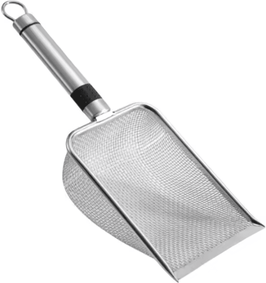
Uplift Curations Stainless Steel Cat Litter Scoop Durable, Rust Resistant Ergonomic Pet Waste Scoop For Quick Cleanup stainless SteelsMake litter box maintenance easier and more hygienic with this Stainless Steel Cat Litter Scoop, designed for quick and efficient waste removal every time. Crafted from durable, rustresistant stainless steel, it stands up to daily use without...80,00 $*Shipping: 0,00 $Secure redirect to the provider
-
Modern Minimalist Tilt-Out Shoe Cabinet with Heavy Duty Frame and Space-Saving Design(1)Heavy-Duty Steel Frame ConstructionEngineered with premium cold-rolled steel metal framework, this shoestorage cabinet delivers exceptional stability and superior weightcapacity.167,49 $*Shipping: 0,00 $Secure redirect to the provider
-
Perfect Picks Market Space Saving Closet Organizer With Clips Hangs Pairs Of Leggings, Efficient Black Hanger pinkSay goodbye to clutter and hello to a wellorganized closet with our spacesaving closet organizer. Perfect for anyone struggling with limited closet space, this hanging organizer holds up to 40 pairs of leggings, making it easy to find your favorites...33,97 $*Shipping: 0,00 $Secure redirect to the provider
-
Why are all stainless steels considered to be stainless steels?
All stainless steels are considered to be stainless because they contain a minimum of 10.5% chromium, which creates a protective layer of chromium oxide on the surface of the steel. This layer prevents corrosion and staining, giving stainless steel its characteristic resistance to rust and corrosion. Additionally, stainless steels may also contain other alloying elements such as nickel, molybdenum, or titanium, which further enhance their resistance to corrosion and staining. Therefore, all stainless steels share the common characteristic of being resistant to rust and corrosion, making them suitable for a wide range of applications. **
-
Which stainless steels are magnetic?
Stainless steels that are magnetic are primarily the ferritic and martensitic types. Ferritic stainless steels, such as grades 409, 430, and 439, contain high levels of chromium but low levels of carbon, making them magnetic. Martensitic stainless steels, like grades 410 and 420, are also magnetic due to their high carbon content and the addition of elements like nickel and chromium. Austenitic stainless steels, on the other hand, such as grades 304 and 316, are non-magnetic due to their crystal structure. **
-
How are flat steels welded?
Flat steels are typically welded using one of several methods, including shielded metal arc welding (SMAW), gas metal arc welding (GMAW), or flux-cored arc welding (FCAW). SMAW, also known as stick welding, uses a consumable electrode coated in flux to create the weld. GMAW, or MIG welding, uses a continuous solid wire electrode and a shielding gas to protect the weld from atmospheric contamination. FCAW is similar to GMAW but uses a tubular electrode filled with flux instead of a solid wire. Each method has its own advantages and is chosen based on the specific requirements of the welding project. **
-
Which steels are easily machinable?
Steels that are easily machinable typically have a higher amount of sulfur and phosphorus, which helps to break the chips during the machining process. Free machining steels, such as 12L14 and 1215, are known for their excellent machinability due to their high sulfur content. Additionally, leaded steels, such as 11L17 and 11L41, are also easily machinable because the lead acts as a lubricant during the cutting process, reducing friction and improving machinability. These steels are commonly used in applications where high-speed machining and excellent surface finish are required. **
Similar search terms for Steels
-
FUFU&GAGA Modern Minimalist Lockable Laundry Room Storage Cabinet with 8 Shelves,Tall Space-Saving DesignTurn a crowded laundry area into a more organized, efficient, and easier-to-manage part of the home with a cabinet that gives everyday essentials a visible place, keeps backup supplies neatly contained, and helps you use vertical space instead of...208,99 $*Shipping: 0,00 $Secure redirect to the provider
-
Value Selection Ajax Steel Ladder Bookcase Space Saving Modern Vertical Bookshelf Ajax Steel Ladder Bookcase Space Saving Modern Vertical BookshelfBring comfort and convenience to every page. This natural bamboo book stand keeps cookbooks, textbooks, sheet music, and tablets comfortably positioned for handsfree use. Its five adjustable viewing angles make reading, studying, cooking, or...509,97 $*Shipping: 0,00 $Secure redirect to the provider
-
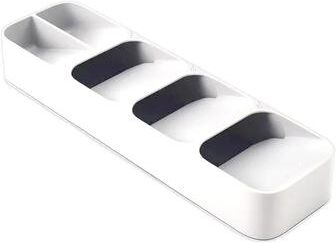
Uplift Essentials Compact Space Saving Cutlery Organizer Multi Compartment Kitchen Drawer Sorting Tray whiteOpening a cluttered kitchen drawer only to be greeted by a tangled, chaotic jumble of loose forks, rolling knives, and buried spoons can bring your meal preparation to an immediate halt. Traditional flat sorting trays slide around easily, scratch...61,97 $*Shipping: 0,00 $Secure redirect to the provider
-
Modern Minimalist Tilt-Out Shoe Cabinet with Heavy Duty Frame and Space-Saving Design(1)Heavy-Duty Steel Frame ConstructionEngineered with premium cold-rolled steel metal framework, this shoestorage cabinet delivers exceptional stability and superior weightcapacity.167,49 $*Shipping: 0,00 $Secure redirect to the provider
-
Which steels are resistant to seawater?
Stainless steels such as 316 and 316L are highly resistant to seawater corrosion due to their high levels of chromium and molybdenum. These steels are commonly used in marine applications such as boat fittings, underwater equipment, and offshore platforms. Additionally, duplex stainless steels, which contain a combination of austenitic and ferritic microstructures, also offer good resistance to seawater corrosion. These steels are often used in seawater piping systems and desalination plants. **
-
What are alloyed and non-alloyed steels?
Alloyed steels are steels that have been mixed with other elements such as nickel, chromium, or manganese to enhance their properties like strength, hardness, and corrosion resistance. Non-alloyed steels, on the other hand, are steels that only contain iron and carbon as the primary elements. Non-alloyed steels are generally more ductile and easier to work with, while alloyed steels are often used in applications where higher strength or specific properties are required. **
-
In which steels does RP 10 play a role?
RP 10 plays a role in high-speed steels, tool steels, and stainless steels. It is commonly used as a cutting tool material in these steels due to its excellent wear resistance, toughness, and ability to maintain hardness at high temperatures. RP 10 helps improve the performance and longevity of tools made from these steels, making them suitable for demanding applications in industries such as automotive, aerospace, and manufacturing. **
-
Do high-alloy steels always have a carburized structure?
No, high-alloy steels do not always have a carburized structure. Carburization is a process in which carbon is diffused into the surface of the steel to increase its hardness. While high-alloy steels are often used in carburizing applications due to their ability to maintain their strength and hardness at high temperatures, not all high-alloy steels are carburized. The decision to carburize a high-alloy steel depends on the specific application and the desired properties of the final product. **
* All prices are inclusive of VAT and, if applicable, plus shipping costs. The offer information is based on the details provided by the respective shop and is updated through automated processes. Real-time updates do not occur, so deviations can occur in individual cases. ** Note: Parts of this content were created by AI.