Buy microliving.eu ?
We are moving the project
microliving.eu .
Are you interested in purchasing the domain
microliving.eu ?
domain@kv-gmbh.de · 0541-91531010
Buy microliving.eu ?
Roman-German emperors
The term "Roman-German emperors" refers to the Holy Roman Emperors, who were rulers of the Holy Roman Empire from the Middle Ages to the early 19th century. These emperors were considered the successors to the rulers of the ancient Roman Empire and were elected by a group of German princes. The Holy Roman Emperors held significant political and religious power in Central Europe, although their authority was often challenged by regional rulers and the papacy. The title of Holy Roman Emperor was officially abolished in 1806 following the dissolution of the Holy Roman Empire. **
Holy Roman Emperors
The Holy Roman Emperors were rulers of the Holy Roman Empire, a complex political entity in central Europe that existed from 800 to 1806. They were elected by a group of powerful princes and bishops known as the Electoral College. The title of Holy Roman Emperor was considered to be the highest temporal authority in Europe, although the actual power of the emperors varied greatly throughout the history of the empire. Some of the most famous Holy Roman Emperors include Charlemagne, Otto the Great, and Charles V. **

Similar search terms for Roman
Top-Angebote
Products related to Roman:
-
Modern Minimalist Tilt-Out Shoe Cabinet with Heavy Duty Frame and Space-Saving Design(1)Heavy-Duty Steel Frame ConstructionEngineered with premium cold-rolled steel metal framework, this shoestorage cabinet delivers exceptional stability and superior weightcapacity.167,49 $*Shipping: 0,00 $Secure redirect to the provider
-
FUFU&GAGA Modern Minimalist Lockable Laundry Room Storage Cabinet with 8 Shelves,Tall Space-Saving DesignTurn a crowded laundry area into a more organized, efficient, and easier-to-manage part of the home with a cabinet that gives everyday essentials a visible place, keeps backup supplies neatly contained, and helps you use vertical space instead of...208,99 $*Shipping: 0,00 $Secure redirect to the provider
-
Value Selection Ajax Steel Ladder Bookcase Space Saving Modern Vertical Bookshelf Ajax Steel Ladder Bookcase Space Saving Modern Vertical BookshelfBring comfort and convenience to every page. This natural bamboo book stand keeps cookbooks, textbooks, sheet music, and tablets comfortably positioned for handsfree use. Its five adjustable viewing angles make reading, studying, cooking, or...509,97 $*Shipping: 0,00 $Secure redirect to the provider
-
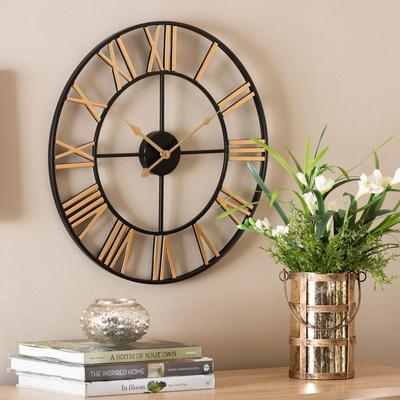
Value Selection Bruning Metal Wall Clock With Roman Numerals Modern Industrial Decor Bruning Metal Wall Clock With Roman Numerals Modern Industrial DecorBring architectural character to your wall with a timepiece designed to be noticed. This Roman Numeral Wall Clock combines an airy round silhouette with black and gold metal detailing for a refined industrial feel. At 19.7 inches wide, the openframe...109,97 $*Shipping: 0,00 $Secure redirect to the provider


-
Roman-German Emperors
The term "Roman-German Emperors" refers to the Holy Roman Emperors, who were rulers of the Holy Roman Empire from the Middle Ages until its dissolution in 1806. The title of Holy Roman Emperor was created in the 10th century and was held by various monarchs who claimed to be the successors of the ancient Roman emperors. The Holy Roman Emperors were elected by a group of German princes and were considered the highest secular authority in the Holy Roman Empire, which was a complex political entity that encompassed parts of modern-day Germany, Italy, and other European countries. **
-
Holy Roman Emperor
The title of Holy Roman Emperor was a title given to the ruler of the Holy Roman Empire, a political entity in Central Europe that existed from 962 to 1806. The Holy Roman Emperor was considered the secular ruler of the Christian world, with authority over a vast territory that included parts of modern-day Germany, Italy, and France. The position was elected by a group of powerful princes and bishops known as the Electoral College. The title of Holy Roman Emperor was eventually abolished in 1806 following the defeat of the Empire by Napoleon Bonaparte. **
-
'Roman-German Emperors'
The Roman-German Emperors were a series of Holy Roman Emperors who ruled over the Holy Roman Empire from the Middle Ages to the early modern period. They were considered the successors to the ancient Roman Emperors and sought to establish their authority over the territories of the former Western Roman Empire. The title of Roman-German Emperor was meant to signify their dual role as rulers of both the Roman and Germanic peoples. The most famous Roman-German Emperor was Charlemagne, who was crowned Emperor of the Romans by Pope Leo III in 800 AD. The title continued to be used by subsequent Holy Roman Emperors until the dissolution of the Holy Roman Empire in 1806. **
-
"Roman-German Emperors"
The term "Roman-German Emperors" refers to the Holy Roman Emperors, who were rulers of a political entity in Central Europe that existed from 962 to 1806. The title of Holy Roman Emperor was created in the 10th century by Otto I, King of Germany, and it symbolized the revival of the Roman Empire in the West. The Holy Roman Emperors were considered the successors of the ancient Roman Emperors and were elected by a group of German princes. The empire was a complex political entity that encompassed parts of modern-day Germany, Italy, and other European territories. **


On which modern-day states was the entire Roman territory located?
The entire Roman territory was located on the modern-day states of Italy, Spain, France, Greece, Turkey, Egypt, and parts of England, Germany, and North Africa. These regions were once part of the vast Roman Empire, which at its peak, encompassed a large portion of Europe, the Mediterranean, and parts of the Middle East. Today, the legacy of the Roman Empire can still be seen in the architecture, language, and culture of these modern-day states. **
Was the Holy Roman Empire truly a Holy Roman Empire?
The term "Holy Roman Empire" was used to describe the multi-ethnic complex of territories in Central Europe ruled by the Roman Catholic Church and the Germanic Holy Roman Emperor. However, the empire was not truly holy in the sense of being divinely ordained, as its power was often based on political and military strength rather than religious authority. Additionally, the empire was not truly Roman, as it did not have its origins in the ancient Roman Empire but rather in the medieval Kingdom of Germany. Overall, the Holy Roman Empire was a complex political entity that combined elements of religion, politics, and culture, but it did not fully embody the ideals of holiness or Roman heritage. **
Top-Angebote
Products related to Roman:
-
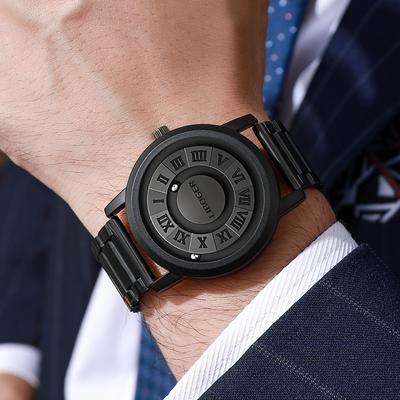
Friendly Fresh Finds Luxury Magnetic Ball Watch Mens Minimalist Roman Dial Business Timepiece Luxury Magnetic Ball Watch Mens Minimalist Roman Dial Business TimepieceBreak away from the ordinary and redefine how you perceive every second. This magnetic ball watch is a masterpiece of modern engineering, designed for the man who values innovation over tradition. Instead of ticking hands, two magnetized steel...39,97 $*Shipping: 0,00 $Secure redirect to the provider
-
Modern Minimalist Tilt-Out Shoe Cabinet with Heavy Duty Frame and Space-Saving Design(1)Heavy-Duty Steel Frame ConstructionEngineered with premium cold-rolled steel metal framework, this shoestorage cabinet delivers exceptional stability and superior weightcapacity.167,49 $*Shipping: 0,00 $Secure redirect to the provider
-
FUFU&GAGA Modern Minimalist Lockable Laundry Room Storage Cabinet with 8 Shelves,Tall Space-Saving DesignTurn a crowded laundry area into a more organized, efficient, and easier-to-manage part of the home with a cabinet that gives everyday essentials a visible place, keeps backup supplies neatly contained, and helps you use vertical space instead of...208,99 $*Shipping: 0,00 $Secure redirect to the provider
-
Roman-German emperors
The term "Roman-German emperors" refers to the Holy Roman Emperors, who were rulers of the Holy Roman Empire from the Middle Ages to the early 19th century. These emperors were considered the successors to the rulers of the ancient Roman Empire and were elected by a group of German princes. The Holy Roman Emperors held significant political and religious power in Central Europe, although their authority was often challenged by regional rulers and the papacy. The title of Holy Roman Emperor was officially abolished in 1806 following the dissolution of the Holy Roman Empire. **
-
Holy Roman Emperors
The Holy Roman Emperors were rulers of the Holy Roman Empire, a complex political entity in central Europe that existed from 800 to 1806. They were elected by a group of powerful princes and bishops known as the Electoral College. The title of Holy Roman Emperor was considered to be the highest temporal authority in Europe, although the actual power of the emperors varied greatly throughout the history of the empire. Some of the most famous Holy Roman Emperors include Charlemagne, Otto the Great, and Charles V. **
-
Roman-German Emperors
The term "Roman-German Emperors" refers to the Holy Roman Emperors, who were rulers of the Holy Roman Empire from the Middle Ages until its dissolution in 1806. The title of Holy Roman Emperor was created in the 10th century and was held by various monarchs who claimed to be the successors of the ancient Roman emperors. The Holy Roman Emperors were elected by a group of German princes and were considered the highest secular authority in the Holy Roman Empire, which was a complex political entity that encompassed parts of modern-day Germany, Italy, and other European countries. **
-
Holy Roman Emperor
The title of Holy Roman Emperor was a title given to the ruler of the Holy Roman Empire, a political entity in Central Europe that existed from 962 to 1806. The Holy Roman Emperor was considered the secular ruler of the Christian world, with authority over a vast territory that included parts of modern-day Germany, Italy, and France. The position was elected by a group of powerful princes and bishops known as the Electoral College. The title of Holy Roman Emperor was eventually abolished in 1806 following the defeat of the Empire by Napoleon Bonaparte. **
Similar search terms for Roman
-
Value Selection Ajax Steel Ladder Bookcase Space Saving Modern Vertical Bookshelf Ajax Steel Ladder Bookcase Space Saving Modern Vertical BookshelfBring comfort and convenience to every page. This natural bamboo book stand keeps cookbooks, textbooks, sheet music, and tablets comfortably positioned for handsfree use. Its five adjustable viewing angles make reading, studying, cooking, or...509,97 $*Shipping: 0,00 $Secure redirect to the provider
-
Value Selection Bruning Metal Wall Clock With Roman Numerals Modern Industrial Decor Bruning Metal Wall Clock With Roman Numerals Modern Industrial DecorBring architectural character to your wall with a timepiece designed to be noticed. This Roman Numeral Wall Clock combines an airy round silhouette with black and gold metal detailing for a refined industrial feel. At 19.7 inches wide, the openframe...109,97 $*Shipping: 0,00 $Secure redirect to the provider
-
Value Selection Beathan Modern Wood Wall Clock Natural White Roman Numeral Decor Beathan Modern Wood Wall Clock Natural White Roman Numeral DecorBring warmth, character, and effortless style to an empty wall with this wood wall clock. Designed for anyone who loves clean, natureinspired interiors, its natural wood and white palette creates a calm, welcoming focal point. The modern wall clock...119,97 $*Shipping: 0,00 $Secure redirect to the provider
-
Perfect Picks Market Space Saving Closet Organizer With Clips Hangs Pairs Of Leggings, Efficient Black Hanger pinkSay goodbye to clutter and hello to a wellorganized closet with our spacesaving closet organizer. Perfect for anyone struggling with limited closet space, this hanging organizer holds up to 40 pairs of leggings, making it easy to find your favorites...33,97 $*Shipping: 0,00 $Secure redirect to the provider
-
'Roman-German Emperors'
The Roman-German Emperors were a series of Holy Roman Emperors who ruled over the Holy Roman Empire from the Middle Ages to the early modern period. They were considered the successors to the ancient Roman Emperors and sought to establish their authority over the territories of the former Western Roman Empire. The title of Roman-German Emperor was meant to signify their dual role as rulers of both the Roman and Germanic peoples. The most famous Roman-German Emperor was Charlemagne, who was crowned Emperor of the Romans by Pope Leo III in 800 AD. The title continued to be used by subsequent Holy Roman Emperors until the dissolution of the Holy Roman Empire in 1806. **
-
"Roman-German Emperors"
The term "Roman-German Emperors" refers to the Holy Roman Emperors, who were rulers of a political entity in Central Europe that existed from 962 to 1806. The title of Holy Roman Emperor was created in the 10th century by Otto I, King of Germany, and it symbolized the revival of the Roman Empire in the West. The Holy Roman Emperors were considered the successors of the ancient Roman Emperors and were elected by a group of German princes. The empire was a complex political entity that encompassed parts of modern-day Germany, Italy, and other European territories. **
-
On which modern-day states was the entire Roman territory located?
The entire Roman territory was located on the modern-day states of Italy, Spain, France, Greece, Turkey, Egypt, and parts of England, Germany, and North Africa. These regions were once part of the vast Roman Empire, which at its peak, encompassed a large portion of Europe, the Mediterranean, and parts of the Middle East. Today, the legacy of the Roman Empire can still be seen in the architecture, language, and culture of these modern-day states. **
-
Was the Holy Roman Empire truly a Holy Roman Empire?
The term "Holy Roman Empire" was used to describe the multi-ethnic complex of territories in Central Europe ruled by the Roman Catholic Church and the Germanic Holy Roman Emperor. However, the empire was not truly holy in the sense of being divinely ordained, as its power was often based on political and military strength rather than religious authority. Additionally, the empire was not truly Roman, as it did not have its origins in the ancient Roman Empire but rather in the medieval Kingdom of Germany. Overall, the Holy Roman Empire was a complex political entity that combined elements of religion, politics, and culture, but it did not fully embody the ideals of holiness or Roman heritage. **
* All prices are inclusive of VAT and, if applicable, plus shipping costs. The offer information is based on the details provided by the respective shop and is updated through automated processes. Real-time updates do not occur, so deviations can occur in individual cases. ** Note: Parts of this content were created by AI.