Buy microliving.eu ?
We are moving the project
microliving.eu .
Are you interested in purchasing the domain
microliving.eu ?
domain@kv-gmbh.de · 0541-91531010
Buy microliving.eu ?
What is the difference between organic rice and supermarket rice?
Organic rice is grown without the use of synthetic pesticides, fertilizers, or genetically modified organisms, and is typically produced using sustainable farming practices. Supermarket rice, on the other hand, may be conventionally grown and treated with synthetic chemicals. Organic rice is also often more environmentally friendly, as it is grown using methods that promote soil health and biodiversity. Additionally, organic rice is often considered to have a more natural and authentic flavor compared to supermarket rice. **
Is brown rice sticky?
Brown rice is not as sticky as white rice because it contains more fiber and retains its bran and germ layers, which can make it slightly more firm and less sticky when cooked. However, brown rice can still become sticky if it is overcooked or if it is a short-grain variety. Overall, brown rice tends to have a more chewy and nutty texture compared to the stickier white rice. **
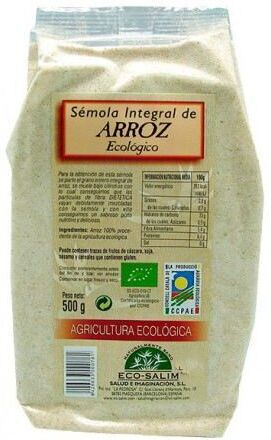

Similar search terms for ECO-SALIM-Organic-Brown-Rice
Top-Angebote
Products related to ECO-SALIM-Organic-Brown-Rice:
-
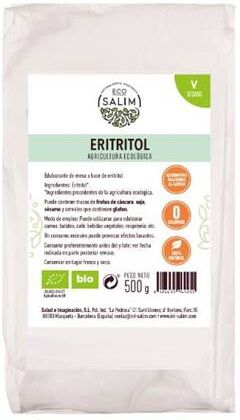
ECO-SALIM Organic Erythritol Sweetener 500 grNutrition and Supplements Sweeteners ECO-SALIM Organic Erythritol Sweetener 500 gr Obtained natural fermentation fruits such as pear, melon and some mushrooms. Zero calories, carbohydrates. No bitter aftertaste.6,34 £*Shipping: 4,99 £Secure redirect to the provider


-
Can you make rice pudding with brown rice?
Yes, you can make rice pudding with brown rice. Brown rice will give the pudding a nuttier flavor and slightly chewier texture compared to using white rice. It may take longer to cook brown rice compared to white rice, so you may need to adjust the cooking time or add more liquid to achieve the desired creamy consistency for the pudding. Overall, using brown rice is a healthier alternative that adds more fiber and nutrients to the dish. **
-
Is organic sustainable?
Organic farming practices can be more sustainable than conventional methods in terms of reducing chemical inputs, promoting biodiversity, and improving soil health. However, there are challenges to the scalability and efficiency of organic farming, which can impact its overall sustainability. For example, organic farming typically requires more land and labor to produce the same amount of food as conventional methods, which can limit its ability to meet global food demand. Additionally, the transportation and distribution of organic products can have a higher environmental impact due to their shorter shelf life and the need for refrigeration. Overall, while organic farming has many sustainable benefits, there are also limitations to its long-term sustainability on a large scale. **
-
What is the difference between organic and eco-friendly products?
Organic products are made from ingredients that are grown without the use of synthetic pesticides, herbicides, or fertilizers, and are often certified by a regulatory body. Eco-friendly products, on the other hand, are designed to have minimal impact on the environment throughout their entire lifecycle, from production to disposal. While organic products focus on the natural ingredients used, eco-friendly products consider the overall environmental impact of the product. In essence, organic products focus on the ingredients, while eco-friendly products focus on the entire product lifecycle. **
-
How do you soften brown rice?
To soften brown rice, you can soak it in water for at least 30 minutes or up to several hours before cooking. This helps to break down the outer bran layer and make the rice softer. You can also cook it with a bit more water than usual and let it simmer for a longer period of time to help soften the grains. Additionally, using a rice cooker or pressure cooker can also help to soften brown rice by providing a more controlled and consistent cooking environment. **


Is whole grain rice always brown?
No, whole grain rice is not always brown. Whole grain rice can also be black, red, or purple, depending on the variety of rice. Brown rice is one type of whole grain rice, but it is not the only option. Each type of whole grain rice has its own unique flavor, texture, and nutritional profile. **
Where can one buy brown rice and quinoa?
Brown rice and quinoa can be purchased at most grocery stores, health food stores, and online retailers. They are commonly found in the grains or health food sections of the store. Some popular grocery stores that carry brown rice and quinoa include Whole Foods, Trader Joe's, and Walmart. Additionally, specialty health food stores like Sprouts or local co-ops are likely to have a variety of options for both brown rice and quinoa. **
Top-Angebote
Products related to ECO-SALIM-Organic-Brown-Rice:
-
ECO-SALIM Organic Red Rice 500 grNutrition and Supplements Cereals, Pasta and Legumes ECO-SALIM Organic Red Rice 500 gr More protein and less carbohydrate than white rice. It has a low glycemic index and reduces the absorption of carbohydrates.4,76 £*Shipping: 4,99 £Secure redirect to the provider
-
What is the difference between organic rice and supermarket rice?
Organic rice is grown without the use of synthetic pesticides, fertilizers, or genetically modified organisms, and is typically produced using sustainable farming practices. Supermarket rice, on the other hand, may be conventionally grown and treated with synthetic chemicals. Organic rice is also often more environmentally friendly, as it is grown using methods that promote soil health and biodiversity. Additionally, organic rice is often considered to have a more natural and authentic flavor compared to supermarket rice. **
-
Is brown rice sticky?
Brown rice is not as sticky as white rice because it contains more fiber and retains its bran and germ layers, which can make it slightly more firm and less sticky when cooked. However, brown rice can still become sticky if it is overcooked or if it is a short-grain variety. Overall, brown rice tends to have a more chewy and nutty texture compared to the stickier white rice. **
-
Can you make rice pudding with brown rice?
Yes, you can make rice pudding with brown rice. Brown rice will give the pudding a nuttier flavor and slightly chewier texture compared to using white rice. It may take longer to cook brown rice compared to white rice, so you may need to adjust the cooking time or add more liquid to achieve the desired creamy consistency for the pudding. Overall, using brown rice is a healthier alternative that adds more fiber and nutrients to the dish. **
-
Is organic sustainable?
Organic farming practices can be more sustainable than conventional methods in terms of reducing chemical inputs, promoting biodiversity, and improving soil health. However, there are challenges to the scalability and efficiency of organic farming, which can impact its overall sustainability. For example, organic farming typically requires more land and labor to produce the same amount of food as conventional methods, which can limit its ability to meet global food demand. Additionally, the transportation and distribution of organic products can have a higher environmental impact due to their shorter shelf life and the need for refrigeration. Overall, while organic farming has many sustainable benefits, there are also limitations to its long-term sustainability on a large scale. **
Similar search terms for ECO-SALIM-Organic-Brown-Rice
-
ECO-SALIM Organic Erythritol Sweetener 500 grNutrition and Supplements Sweeteners ECO-SALIM Organic Erythritol Sweetener 500 gr Obtained natural fermentation fruits such as pear, melon and some mushrooms. Zero calories, carbohydrates. No bitter aftertaste.6,34 £*Shipping: 4,99 £Secure redirect to the provider
-
What is the difference between organic and eco-friendly products?
Organic products are made from ingredients that are grown without the use of synthetic pesticides, herbicides, or fertilizers, and are often certified by a regulatory body. Eco-friendly products, on the other hand, are designed to have minimal impact on the environment throughout their entire lifecycle, from production to disposal. While organic products focus on the natural ingredients used, eco-friendly products consider the overall environmental impact of the product. In essence, organic products focus on the ingredients, while eco-friendly products focus on the entire product lifecycle. **
-
How do you soften brown rice?
To soften brown rice, you can soak it in water for at least 30 minutes or up to several hours before cooking. This helps to break down the outer bran layer and make the rice softer. You can also cook it with a bit more water than usual and let it simmer for a longer period of time to help soften the grains. Additionally, using a rice cooker or pressure cooker can also help to soften brown rice by providing a more controlled and consistent cooking environment. **
-
Is whole grain rice always brown?
No, whole grain rice is not always brown. Whole grain rice can also be black, red, or purple, depending on the variety of rice. Brown rice is one type of whole grain rice, but it is not the only option. Each type of whole grain rice has its own unique flavor, texture, and nutritional profile. **
-
Where can one buy brown rice and quinoa?
Brown rice and quinoa can be purchased at most grocery stores, health food stores, and online retailers. They are commonly found in the grains or health food sections of the store. Some popular grocery stores that carry brown rice and quinoa include Whole Foods, Trader Joe's, and Walmart. Additionally, specialty health food stores like Sprouts or local co-ops are likely to have a variety of options for both brown rice and quinoa. **
* All prices are inclusive of VAT and, if applicable, plus shipping costs. The offer information is based on the details provided by the respective shop and is updated through automated processes. Real-time updates do not occur, so deviations can occur in individual cases. ** Note: Parts of this content were created by AI.