Buy microliving.eu ?
We are moving the project
microliving.eu .
Are you interested in purchasing the domain
microliving.eu ?
domain@kv-gmbh.de · 0541-91531010
Buy microliving.eu ?
Would it have been theoretically possible to tame and ride dinosaurs or prehistoric birds?
It is theoretically possible that humans could have tamed and ridden certain species of dinosaurs or prehistoric birds, similar to how humans have domesticated and ridden horses. However, the size, behavior, and biology of these ancient creatures would have presented significant challenges. Additionally, the lack of evidence of such interactions in the fossil record suggests that humans did not have the opportunity to domesticate these animals. **
Are chickens modern dinosaurs?
Chickens are not modern dinosaurs, but they are descendants of dinosaurs. Scientists believe that birds, including chickens, evolved from small, feathered dinosaurs. While chickens share some characteristics with their dinosaur ancestors, they have also evolved over millions of years to become the birds we know today. So, while chickens have a connection to dinosaurs, they are not considered modern dinosaurs. **

Similar search terms for Dinosaurs-and-Other-Prehistoric
Top-Angebote
Products related to Dinosaurs-and-Other-Prehistoric:
-
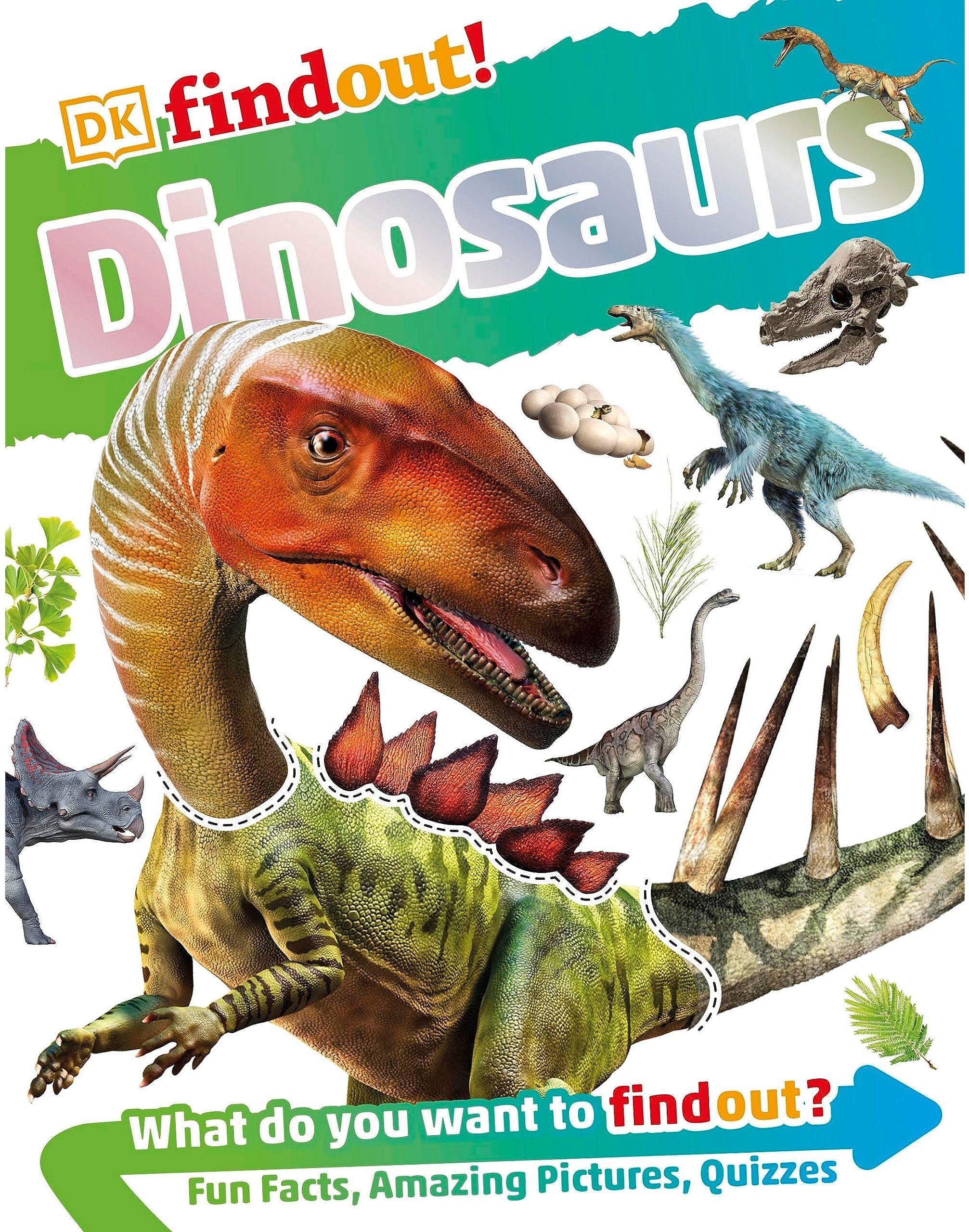
DKfindout! Dinosaurs – Interactive Visual Guide to Prehistoric Creatures for KidsDKfindout Dinosaurs Silver award winner in the MadeForMums Awards 2017 children's books series category. DKfindout! Dinosaurs teaches kids everything they would want to know about the prehistoric world. With beautiful photography, lively illustrations, and key curriculum information, the DKfindout! series will satisfy any child who is eager to learn and acquire facts - and keep them coming back for more!For any child that can't get enough of these fearsome beasts, DKfindout! Dinosaurs is packed with up-to-date information, quizzes, fun facts and incredible images of all their favourite dinosaurs. Discover how fossils are formed, find out which was the biggest dinosaur, and which was the size of a cat. DKfindout! Dinosaurs will let children uncover the ancient animals of our planet.4,99 £*Shipping: 1,99 £Secure redirect to the provider

-
How do you tame Stegosauruses and other dinosaurs in ARK Survival?
To tame a Stegosaurus or any other dinosaur in ARK Survival, you will need to first knock it unconscious using tranquilizer arrows or darts. Once unconscious, you can then feed it the appropriate food, such as berries for a Stegosaurus, to begin the taming process. You will need to monitor its torpor and hunger levels while also protecting it from predators. Once tamed, you can use the dinosaur for various tasks such as gathering resources or defending your base. **
-
Why have dangerous infectious diseases only existed since humans and not in previous living beings, such as prehistoric mammals, dinosaurs, etc.?
Dangerous infectious diseases have only existed since humans because they require a host population to survive and spread. Humans live in close proximity to each other, allowing diseases to easily pass from person to person. Prehistoric mammals and dinosaurs did not live in such densely populated communities, so infectious diseases did not have the opportunity to evolve and spread in the same way. Additionally, the evolution of certain diseases may be linked to specific human behaviors and activities, such as agriculture and urbanization, which have only occurred in recent history. **
-
Why have there been dangerous infectious diseases only since humans and not already in previous living beings, for example prehistoric mammals, dinosaurs, etc.?
Infectious diseases have been present in various forms throughout history, affecting both humans and other living beings. However, the emergence of dangerous infectious diseases in humans can be attributed to factors such as increased population density, urbanization, global travel, and changes in agricultural practices. These factors have created opportunities for pathogens to jump from animals to humans, leading to the spread of new diseases. Additionally, advancements in medical science and technology have allowed for better detection and understanding of infectious diseases in humans compared to prehistoric mammals or dinosaurs. **
-
Were prehistoric men tough?
Yes, prehistoric men were tough in many ways. They had to endure harsh environmental conditions, hunt for their food, and defend themselves against predators. Their survival depended on their physical strength, endurance, and resourcefulness. Additionally, they had to adapt to changing climates and develop innovative tools and techniques for hunting and gathering. Overall, prehistoric men were tough and resilient in order to survive in their challenging environment. **

Are prehistoric humans considered humans?
Yes, prehistoric humans are considered to be early members of the Homo genus, which includes modern humans (Homo sapiens). While they may have had different physical characteristics and lived in different time periods, they are still classified as part of the same evolutionary lineage as modern humans. Prehistoric humans were capable of using tools, creating art, and engaging in complex social behaviors, indicating their human-like cognitive abilities. **
Why don't the prehistoric crustaceans from outer space want to hatch?
The prehistoric crustaceans from outer space may not want to hatch because they could be in a dormant state or suspended animation, waiting for the right conditions to emerge. They may also be waiting for a specific trigger or signal to initiate the hatching process. Additionally, the environment on Earth may be vastly different from their original habitat, causing them to be cautious or hesitant about emerging. **
Top-Angebote
Products related to Dinosaurs-and-Other-Prehistoric:
-
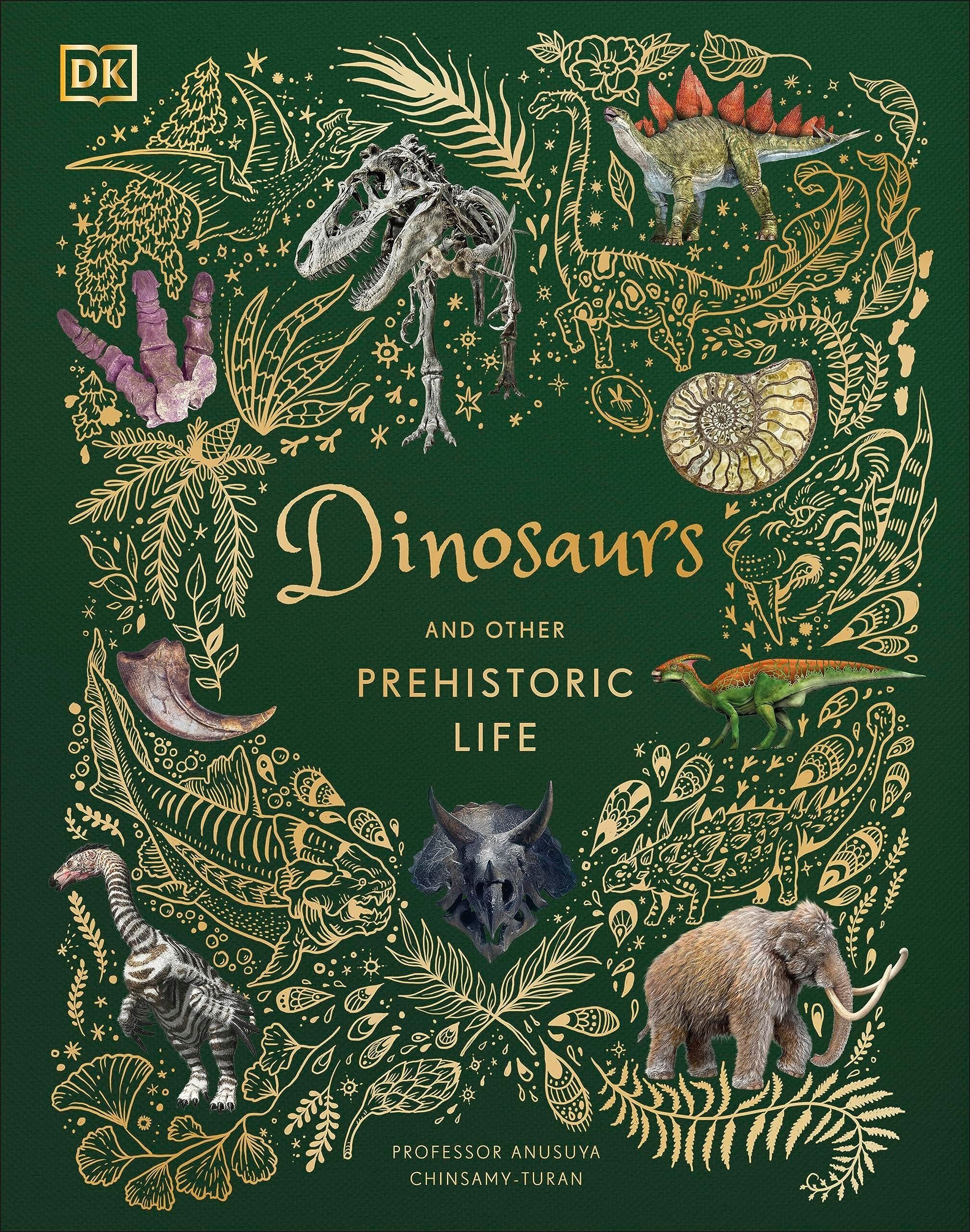
Dinosaurs and Other Prehistoric Life (DK Children's Anthologies)Travel back in time to when dinosaurs roamed the earth with this awe-inspiring dinosaur book for curious kids aged 6-8. The prehistoric word of dinosaurs is so much bigger than young minds can fathom and there is always more to learn. Dinosaurs and other Prehistoric Life is a stunning dinosaur encyclopedia for young readers to explore, with reference pages packed with fascinating information, little learners will be captivated as they travel through the history of the Earth. From Tyrannosaurus and sabre-toothed cats, to ferns and woolly mammoths, this collection of amazing dinosaurs, plants, and other prehistoric life will wow children and many adults too - providing something for everyone to love!Showcasing more than 90 remarkable fossils, such as a fearsome Tyrannosaurus skull, delicate fern leaf, and perfectly preserved woolly mammoth, each plant or animal featured is shown both photographically and illustrated, and children will love poring over the detailed close-up images.The storybook descriptions let you discover the myths and legends surrounding the organisms, as well as key facts about their natural history. Find out why Pachycephalosaurus had such a thick head, how a coral fossil can be used to work out how long a prehistoric year was, and which fossil was thought to protect people from poison. The engaging storybook-style descriptions and simple text shed a light on the diverse world of dinosaurs, perfect for children aged 6-8 to love and explore for hours on end. Celebrate your child's curiosity as they:- Explore more than 90 species from the prehistoric world- Reveal pronunciations of each and every dinosaur featured throughout- Uncover stunning photographs of fossils and gorgeous illustrations of each creatureThis dinosaur encyclopedia for children is the perfect blend of storybook style text with out-of-this-world illustrations which makes it a fantastic dinosaur book for children who are obsessed with the prehistoric world. Encourage young readers to go on a time-travelling adventure back in time to explore a world of information, making this the ideal first reference book for kids aged 6-8 to enjoy for hours on end, whether reading with the family or reading alone, this fun fact book also doubles up as the perfect gift for curious kids who love to learn. Explore the vastness of the prehistoric world whilst uncovering: -Stunning Jacket Detail: gold foil, holographic foil & metallic gold edges-Stunning photography & illustrations inside-A beautiful book for the whole family to treasure-A quality gift to be passed down through the generationsMore in the SeriesDinosaurs and other Prehistoric Life is part of the beautiful and informative Anthology series. Complete the series and nurture your child's curiosity as they explore the natural world with The Wonders of Nature or let them walk soar into the galaxies above with Mysteries of the Universe.10,99 £*Shipping: 2,99 £Secure redirect to the provider
-
Dinosaurs and Other Prehistoric Life (DK Children's Anthologies) by Prof Anusuya Chinsamy-Turan - Ages 6+ - Hardback DK ChildrenTravel back in time to when dinosaurs roamed the earth with this dinosaur book for curious kids aged 6-8. Dinosaurs and other Prehistoric Life is a beautiful dinosaur encyclopedia for young readers aged 6-8, packed with fascinating information to captivate little learners as they travel through the history of the Earth. 90 remarkable fossils, such as a fearsome Tyrannosaurus skull, delicate fern leaf, and perfectly preserved woolly mammoth, are each showcased through impressive illustrations, and children will love poring over the detailed close-up images. The storybook descriptions let you discover the myths and legends surrounding the organisms, as well as key facts about their natural history. This dinosaur book for children features: More than 90 species from the prehistoric world. Pronunciations of each and every dinosaur featured throughout. Detailed photographs of fossils and illustrations of each creature. A gold foil cover and metallic gold edges, making this an ideal gift. Encourage children to go on an adventure back in time and explore the prehistoric world, making this the ideal first reference book for kids aged 6-8 to enjoy for hours on end. Whether reading with the family or reading alone, this fun fact book also doubles up as the perfect gift for curious kids who love to learn.10,99 £*Shipping: 2,99 £Secure redirect to the provider
-
DKfindout! Dinosaurs – Interactive Visual Guide to Prehistoric Creatures for KidsDKfindout Dinosaurs Silver award winner in the MadeForMums Awards 2017 children's books series category. DKfindout! Dinosaurs teaches kids everything they would want to know about the prehistoric world. With beautiful photography, lively illustrations, and key curriculum information, the DKfindout! series will satisfy any child who is eager to learn and acquire facts - and keep them coming back for more!For any child that can't get enough of these fearsome beasts, DKfindout! Dinosaurs is packed with up-to-date information, quizzes, fun facts and incredible images of all their favourite dinosaurs. Discover how fossils are formed, find out which was the biggest dinosaur, and which was the size of a cat. DKfindout! Dinosaurs will let children uncover the ancient animals of our planet.4,99 £*Shipping: 1,99 £Secure redirect to the provider
-
Would it have been theoretically possible to tame and ride dinosaurs or prehistoric birds?
It is theoretically possible that humans could have tamed and ridden certain species of dinosaurs or prehistoric birds, similar to how humans have domesticated and ridden horses. However, the size, behavior, and biology of these ancient creatures would have presented significant challenges. Additionally, the lack of evidence of such interactions in the fossil record suggests that humans did not have the opportunity to domesticate these animals. **
-
Are chickens modern dinosaurs?
Chickens are not modern dinosaurs, but they are descendants of dinosaurs. Scientists believe that birds, including chickens, evolved from small, feathered dinosaurs. While chickens share some characteristics with their dinosaur ancestors, they have also evolved over millions of years to become the birds we know today. So, while chickens have a connection to dinosaurs, they are not considered modern dinosaurs. **
-
How do you tame Stegosauruses and other dinosaurs in ARK Survival?
To tame a Stegosaurus or any other dinosaur in ARK Survival, you will need to first knock it unconscious using tranquilizer arrows or darts. Once unconscious, you can then feed it the appropriate food, such as berries for a Stegosaurus, to begin the taming process. You will need to monitor its torpor and hunger levels while also protecting it from predators. Once tamed, you can use the dinosaur for various tasks such as gathering resources or defending your base. **
-
Why have dangerous infectious diseases only existed since humans and not in previous living beings, such as prehistoric mammals, dinosaurs, etc.?
Dangerous infectious diseases have only existed since humans because they require a host population to survive and spread. Humans live in close proximity to each other, allowing diseases to easily pass from person to person. Prehistoric mammals and dinosaurs did not live in such densely populated communities, so infectious diseases did not have the opportunity to evolve and spread in the same way. Additionally, the evolution of certain diseases may be linked to specific human behaviors and activities, such as agriculture and urbanization, which have only occurred in recent history. **
Similar search terms for Dinosaurs-and-Other-Prehistoric
-
Zygomatic Dobble Dinosaurs - Compact Card Game for Family Game Time - Ages 6+Bring quick-fire observation and dinosaur-themed fun to family game time with Dobble Dinosaurs. Players race to spot the one matching dinosaur or symbol between two cards, then call it out before anyone else. Every pair of cards shares exactly one matching image, making each round simple to learn but excitingly unpredictable. With its compact format and lively prehistoric theme, Dobble Dinosaurs is easy to bring to gatherings, holidays, and family game nights. The fast pace helps keep everyone involved, while the range of play variations adds flexibility for different groups and ages. Suitable for dinosaur fans and players who enjoy energetic, accessible card games.10,49 £*Shipping: 3,95 £Secure redirect to the provider
-
Why have there been dangerous infectious diseases only since humans and not already in previous living beings, for example prehistoric mammals, dinosaurs, etc.?
Infectious diseases have been present in various forms throughout history, affecting both humans and other living beings. However, the emergence of dangerous infectious diseases in humans can be attributed to factors such as increased population density, urbanization, global travel, and changes in agricultural practices. These factors have created opportunities for pathogens to jump from animals to humans, leading to the spread of new diseases. Additionally, advancements in medical science and technology have allowed for better detection and understanding of infectious diseases in humans compared to prehistoric mammals or dinosaurs. **
-
Were prehistoric men tough?
Yes, prehistoric men were tough in many ways. They had to endure harsh environmental conditions, hunt for their food, and defend themselves against predators. Their survival depended on their physical strength, endurance, and resourcefulness. Additionally, they had to adapt to changing climates and develop innovative tools and techniques for hunting and gathering. Overall, prehistoric men were tough and resilient in order to survive in their challenging environment. **
-
Are prehistoric humans considered humans?
Yes, prehistoric humans are considered to be early members of the Homo genus, which includes modern humans (Homo sapiens). While they may have had different physical characteristics and lived in different time periods, they are still classified as part of the same evolutionary lineage as modern humans. Prehistoric humans were capable of using tools, creating art, and engaging in complex social behaviors, indicating their human-like cognitive abilities. **
-
Why don't the prehistoric crustaceans from outer space want to hatch?
The prehistoric crustaceans from outer space may not want to hatch because they could be in a dormant state or suspended animation, waiting for the right conditions to emerge. They may also be waiting for a specific trigger or signal to initiate the hatching process. Additionally, the environment on Earth may be vastly different from their original habitat, causing them to be cautious or hesitant about emerging. **
* All prices are inclusive of VAT and, if applicable, plus shipping costs. The offer information is based on the details provided by the respective shop and is updated through automated processes. Real-time updates do not occur, so deviations can occur in individual cases. ** Note: Parts of this content were created by AI.