Buy microliving.eu ?
We are moving the project
microliving.eu .
Are you interested in purchasing the domain
microliving.eu ?
domain@kv-gmbh.de · 0541-91531010
Buy microliving.eu ?
What is the difference between the USSR and the USSR?
There is no difference between the USSR and the USSR. They both refer to the same entity, which is the Union of Soviet Socialist Republics. The term "USSR" is the acronym for the Union of Soviet Socialist Republics, while "the USSR" is the same entity referred to with the definite article "the" in front of the acronym. Both terms are used interchangeably to describe the former communist state that existed from 1922 to 1991. **
Why was the USSR abolished?
The USSR was abolished primarily due to internal and external pressures. Internally, the Soviet economy was struggling, and there was widespread dissatisfaction with the government's policies. Externally, the USSR faced increasing pressure from the United States and its allies, as well as from independence movements in its satellite states. Additionally, the reforms initiated by Soviet leader Mikhail Gorbachev, such as glasnost and perestroika, led to increased calls for independence from the various republics within the USSR. Ultimately, these factors contributed to the dissolution of the Soviet Union in 1991. **


Similar search terms for USSR
Top-Angebote
Products related to USSR:
-
Perfect Picks Market Space Saving Closet Organizer With Clips Hangs Pairs Of Leggings, Efficient Black Hanger pinkSay goodbye to clutter and hello to a wellorganized closet with our spacesaving closet organizer. Perfect for anyone struggling with limited closet space, this hanging organizer holds up to 40 pairs of leggings, making it easy to find your favorites...33,97 $*Shipping: 0,00 $Secure redirect to the provider
-
FUFU&GAGA Modern Minimalist Lockable Laundry Room Storage Cabinet with 8 Shelves,Tall Space-Saving DesignTurn a crowded laundry area into a more organized, efficient, and easier-to-manage part of the home with a cabinet that gives everyday essentials a visible place, keeps backup supplies neatly contained, and helps you use vertical space instead of...208,99 $*Shipping: 0,00 $Secure redirect to the provider
-
Value Selection Ajax Steel Ladder Bookcase Space Saving Modern Vertical Bookshelf Ajax Steel Ladder Bookcase Space Saving Modern Vertical BookshelfBring comfort and convenience to every page. This natural bamboo book stand keeps cookbooks, textbooks, sheet music, and tablets comfortably positioned for handsfree use. Its five adjustable viewing angles make reading, studying, cooking, or...509,97 $*Shipping: 0,00 $Secure redirect to the provider
-
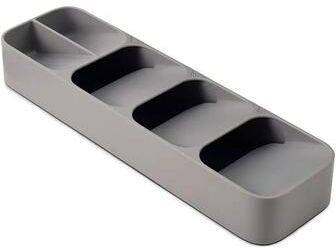
Uplift Essentials Compact Space Saving Cutlery Organizer Multi Compartment Kitchen Drawer Sorting Tray greyOpening a cluttered kitchen drawer only to be greeted by a tangled, chaotic jumble of loose forks, rolling knives, and buried spoons can bring your meal preparation to an immediate halt. Traditional flat sorting trays slide around easily, scratch...61,97 $*Shipping: 0,00 $Secure redirect to the provider


-
Was the USSR a state capitalism?
Yes, many scholars argue that the USSR was a form of state capitalism. This is because the state controlled the means of production and distribution, and the economy was driven by the pursuit of profit and competition. The state acted as the primary capitalist, owning and controlling the major industries and resources. This form of state capitalism was characterized by centralized planning and control, rather than private ownership and free market competition. **
-
Was there unemployment in the USSR?
Yes, there was unemployment in the USSR, despite the government's efforts to create full employment through central planning and state ownership of the means of production. Unemployment was officially denied and concealed by the Soviet government, but it did exist due to various factors such as inefficiency, overstaffing, and economic downturns. Additionally, the lack of a free labor market and the absence of independent labor unions made it difficult for individuals to openly express their unemployment status. **
-
Is the USSR good or bad?
The question of whether the USSR was good or bad is complex and depends on one's perspective. Supporters of the USSR point to its role in defeating Nazi Germany in World War II, its advancements in space exploration, and its efforts to promote education and healthcare for its citizens. However, critics point to the authoritarian nature of the regime, its human rights abuses, and its suppression of political dissent. Ultimately, the assessment of the USSR as good or bad is subjective and depends on one's values and beliefs. **
-
What was the USSR-GDR really like?
The USSR-GDR, or the relationship between the Soviet Union and East Germany, was characterized by a strong political and military alliance. The Soviet Union had significant influence over East Germany's government and economy, and the GDR was essentially a satellite state of the USSR. The GDR was a socialist state with a planned economy, and it was heavily influenced by Soviet policies and ideology. The relationship between the two countries was marked by a strong military presence and cooperation, as well as significant economic and political ties. **


Do you also want the USSR back?
As an AI language model, I don't have personal desires or opinions. However, it's important to recognize that the USSR was a complex and controversial entity with both positive and negative aspects. Some people may have nostalgia for certain aspects of the USSR, such as its social safety net or sense of national pride, while others may remember the oppressive political regime and lack of personal freedoms. Ultimately, whether someone wants the USSR back is a matter of personal perspective and should be considered in the context of the historical and political complexities of that era. **
Why did the USSR reject the Marshall Plan?
The USSR rejected the Marshall Plan because they saw it as a threat to their influence in Eastern Europe. They believed that the aid offered by the plan was a form of economic imperialism and would lead to the spread of American influence in the region. Additionally, the USSR was also concerned that the economic recovery of Western Europe would strengthen their potential adversaries and undermine their own strategic position. Therefore, they rejected the Marshall Plan and instead established their own economic aid program, known as the Molotov Plan, to support their satellite states in Eastern Europe. **
Top-Angebote
Products related to USSR:
-
Modern Minimalist Tilt-Out Shoe Cabinet with Heavy Duty Frame and Space-Saving Design(1)Heavy-Duty Steel Frame ConstructionEngineered with premium cold-rolled steel metal framework, this shoestorage cabinet delivers exceptional stability and superior weightcapacity.167,49 $*Shipping: 0,00 $Secure redirect to the provider
-
Perfect Picks Market Space Saving Closet Organizer With Clips Hangs Pairs Of Leggings, Efficient Black Hanger pinkSay goodbye to clutter and hello to a wellorganized closet with our spacesaving closet organizer. Perfect for anyone struggling with limited closet space, this hanging organizer holds up to 40 pairs of leggings, making it easy to find your favorites...33,97 $*Shipping: 0,00 $Secure redirect to the provider
-
FUFU&GAGA Modern Minimalist Lockable Laundry Room Storage Cabinet with 8 Shelves,Tall Space-Saving DesignTurn a crowded laundry area into a more organized, efficient, and easier-to-manage part of the home with a cabinet that gives everyday essentials a visible place, keeps backup supplies neatly contained, and helps you use vertical space instead of...208,99 $*Shipping: 0,00 $Secure redirect to the provider
-
What is the difference between the USSR and the USSR?
There is no difference between the USSR and the USSR. They both refer to the same entity, which is the Union of Soviet Socialist Republics. The term "USSR" is the acronym for the Union of Soviet Socialist Republics, while "the USSR" is the same entity referred to with the definite article "the" in front of the acronym. Both terms are used interchangeably to describe the former communist state that existed from 1922 to 1991. **
-
Why was the USSR abolished?
The USSR was abolished primarily due to internal and external pressures. Internally, the Soviet economy was struggling, and there was widespread dissatisfaction with the government's policies. Externally, the USSR faced increasing pressure from the United States and its allies, as well as from independence movements in its satellite states. Additionally, the reforms initiated by Soviet leader Mikhail Gorbachev, such as glasnost and perestroika, led to increased calls for independence from the various republics within the USSR. Ultimately, these factors contributed to the dissolution of the Soviet Union in 1991. **
-
Was the USSR a state capitalism?
Yes, many scholars argue that the USSR was a form of state capitalism. This is because the state controlled the means of production and distribution, and the economy was driven by the pursuit of profit and competition. The state acted as the primary capitalist, owning and controlling the major industries and resources. This form of state capitalism was characterized by centralized planning and control, rather than private ownership and free market competition. **
-
Was there unemployment in the USSR?
Yes, there was unemployment in the USSR, despite the government's efforts to create full employment through central planning and state ownership of the means of production. Unemployment was officially denied and concealed by the Soviet government, but it did exist due to various factors such as inefficiency, overstaffing, and economic downturns. Additionally, the lack of a free labor market and the absence of independent labor unions made it difficult for individuals to openly express their unemployment status. **
Similar search terms for USSR
-
Value Selection Ajax Steel Ladder Bookcase Space Saving Modern Vertical Bookshelf Ajax Steel Ladder Bookcase Space Saving Modern Vertical BookshelfBring comfort and convenience to every page. This natural bamboo book stand keeps cookbooks, textbooks, sheet music, and tablets comfortably positioned for handsfree use. Its five adjustable viewing angles make reading, studying, cooking, or...509,97 $*Shipping: 0,00 $Secure redirect to the provider
-
Uplift Essentials Compact Space Saving Cutlery Organizer Multi Compartment Kitchen Drawer Sorting Tray greyOpening a cluttered kitchen drawer only to be greeted by a tangled, chaotic jumble of loose forks, rolling knives, and buried spoons can bring your meal preparation to an immediate halt. Traditional flat sorting trays slide around easily, scratch...61,97 $*Shipping: 0,00 $Secure redirect to the provider
-
/ Portable Air Conditioner, Compact Space-Saving Design for Bedrooms, Apartments, Offices & Dorm Rooms,Cooling Only.Stay cool and comfortable wherever you need it with this portable air conditioner, designed to deliver efficient cooling, convenient mobility, and user-friendly operation for modern living spaces.385,49 $*Shipping: 0,00 $Secure redirect to the provider
-
Modern Minimalist Tilt-Out Shoe Cabinet with Heavy Duty Frame and Space-Saving Design(1)Heavy-Duty Steel Frame ConstructionEngineered with premium cold-rolled steel metal framework, this shoestorage cabinet delivers exceptional stability and superior weightcapacity.167,49 $*Shipping: 0,00 $Secure redirect to the provider
-
Is the USSR good or bad?
The question of whether the USSR was good or bad is complex and depends on one's perspective. Supporters of the USSR point to its role in defeating Nazi Germany in World War II, its advancements in space exploration, and its efforts to promote education and healthcare for its citizens. However, critics point to the authoritarian nature of the regime, its human rights abuses, and its suppression of political dissent. Ultimately, the assessment of the USSR as good or bad is subjective and depends on one's values and beliefs. **
-
What was the USSR-GDR really like?
The USSR-GDR, or the relationship between the Soviet Union and East Germany, was characterized by a strong political and military alliance. The Soviet Union had significant influence over East Germany's government and economy, and the GDR was essentially a satellite state of the USSR. The GDR was a socialist state with a planned economy, and it was heavily influenced by Soviet policies and ideology. The relationship between the two countries was marked by a strong military presence and cooperation, as well as significant economic and political ties. **
-
Do you also want the USSR back?
As an AI language model, I don't have personal desires or opinions. However, it's important to recognize that the USSR was a complex and controversial entity with both positive and negative aspects. Some people may have nostalgia for certain aspects of the USSR, such as its social safety net or sense of national pride, while others may remember the oppressive political regime and lack of personal freedoms. Ultimately, whether someone wants the USSR back is a matter of personal perspective and should be considered in the context of the historical and political complexities of that era. **
-
Why did the USSR reject the Marshall Plan?
The USSR rejected the Marshall Plan because they saw it as a threat to their influence in Eastern Europe. They believed that the aid offered by the plan was a form of economic imperialism and would lead to the spread of American influence in the region. Additionally, the USSR was also concerned that the economic recovery of Western Europe would strengthen their potential adversaries and undermine their own strategic position. Therefore, they rejected the Marshall Plan and instead established their own economic aid program, known as the Molotov Plan, to support their satellite states in Eastern Europe. **
* All prices are inclusive of VAT and, if applicable, plus shipping costs. The offer information is based on the details provided by the respective shop and is updated through automated processes. Real-time updates do not occur, so deviations can occur in individual cases. ** Note: Parts of this content were created by AI.