Buy microliving.eu ?
We are moving the project
microliving.eu .
Are you interested in purchasing the domain
microliving.eu ?
domain@kv-gmbh.de · 0541-91531010
Buy microliving.eu ?
What about depth in three-dimensional space?
Depth in three-dimensional space refers to the distance or extent of an object or scene from front to back. It adds a sense of realism and perspective to visual representations, allowing for a more immersive experience. In art and design, creating depth involves techniques such as overlapping, size variation, and atmospheric perspective to give the illusion of distance. Understanding and manipulating depth in three-dimensional space is crucial for creating dynamic and engaging compositions. **
Why can three-dimensional spaces be skewed to each other in a five-dimensional space?
In a five-dimensional space, three-dimensional spaces can be skewed to each other because the additional dimensions allow for more degrees of freedom in the orientation and arrangement of the three-dimensional spaces. This means that the three-dimensional spaces can be positioned and oriented in ways that would not be possible in a lower-dimensional space. The extra dimensions provide the flexibility for the three-dimensional spaces to intersect and interact with each other in complex and non-linear ways, allowing for a greater range of possible configurations. **

Similar search terms for Dimensional
Top-Angebote
Products related to Dimensional:
-
Alexander Home Heather Medallion Dimensional Area RugLight, serene, and breezy, this rug is power-loomed of polypropylene and polyester on a jute backing for wonderful durability. The airy and ethereal neutral color palette and motifs bring a casually elegant look to any decor for maximum designer...839,99 $*Shipping: 0,00 $Secure redirect to the provider


-
What does a four-dimensional space look like?
A four-dimensional space is difficult to visualize because our brains are used to perceiving only three dimensions. However, mathematically, a four-dimensional space can be thought of as an extension of three-dimensional space, with an additional dimension added. It is often represented using mathematical equations and models, but it is not something that can be easily visualized in the same way we can visualize three-dimensional objects. **
-
How is trigonometry applied in three-dimensional space?
Trigonometry is applied in three-dimensional space in various ways, such as in calculating the angles and distances in three-dimensional shapes, determining the orientation and position of objects in space, and in navigation and engineering applications. For example, in engineering, trigonometric functions are used to calculate the angles and distances in three-dimensional structures, such as bridges and buildings. In navigation, trigonometry is used to calculate the angles and distances between objects in three-dimensional space, such as in aviation and maritime navigation. Overall, trigonometry plays a crucial role in understanding and solving problems in three-dimensional space. **
-
What about the depth in three-dimensional space?
Depth in three-dimensional space refers to the distance or extent of an object or space in the third dimension, perpendicular to both length and width. It is the measurement of how far back an object or space extends, providing a sense of volume and perspective. In a three-dimensional environment, depth allows for a more realistic and immersive representation of objects and spaces, and is essential for creating a sense of distance and spatial relationships. It is a fundamental aspect of three-dimensional design, art, and visualization. **
-
How do these planes lie in three-dimensional space?
These planes lie in three-dimensional space in such a way that they do not intersect each other. Instead, they are parallel to each other, meaning they are always the same distance apart and will never meet. This creates a configuration where the planes are side by side, but never cross each other's paths. This arrangement can be visualized as three separate sheets of paper placed next to each other in space. **

What is the normal vector in n-dimensional space?
In n-dimensional space, the normal vector is a vector that is perpendicular to the surface or hyperplane of interest. It is a vector that is orthogonal to all vectors in the subspace or hyperplane. In 3-dimensional space, the normal vector is a single vector that is perpendicular to the surface. In n-dimensional space, there can be multiple normal vectors, each perpendicular to the subspace or hyperplane. **
Is the shadow of a 4-dimensional object three-dimensional?
No, the shadow of a 4-dimensional object is not three-dimensional. When a 4-dimensional object is projected onto a 3-dimensional space, its shadow will appear as a 3-dimensional object. This is because the shadow represents the intersection of the 4-dimensional object with the 3-dimensional space it is projected onto. **
Top-Angebote
Products related to Dimensional:
-
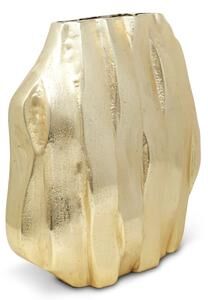
Classic Touch Gold Dimensional Vase"This majestic gold dimensional hexagon vase is the perfect statement piece for any home décor. It features a striking gold design, sure to add an elegant touch to any room. Make a statement with this beautiful vase. Measures: 11""W x 11.5""H"72,49 $*Shipping: 0,00 $Secure redirect to the provider
-
Vivience "Dimensional Crystal Vase, 5""H"Expertly crafted and designed, this crystal bud vase features a dimensional design that adds a touch of elegance to any space. Made of high-quality crystal, this vase is both beautiful and functional, perfect for displaying your favorite flowers.61,10 $*Shipping: 0,00 $Secure redirect to the provider
-
Alexander Home Heather Medallion Dimensional Area RugLight, serene, and breezy, this rug is power-loomed of polypropylene and polyester on a jute backing for wonderful durability. The airy and ethereal neutral color palette and motifs bring a casually elegant look to any decor for maximum designer...839,99 $*Shipping: 0,00 $Secure redirect to the provider
-
What about depth in three-dimensional space?
Depth in three-dimensional space refers to the distance or extent of an object or scene from front to back. It adds a sense of realism and perspective to visual representations, allowing for a more immersive experience. In art and design, creating depth involves techniques such as overlapping, size variation, and atmospheric perspective to give the illusion of distance. Understanding and manipulating depth in three-dimensional space is crucial for creating dynamic and engaging compositions. **
-
Why can three-dimensional spaces be skewed to each other in a five-dimensional space?
In a five-dimensional space, three-dimensional spaces can be skewed to each other because the additional dimensions allow for more degrees of freedom in the orientation and arrangement of the three-dimensional spaces. This means that the three-dimensional spaces can be positioned and oriented in ways that would not be possible in a lower-dimensional space. The extra dimensions provide the flexibility for the three-dimensional spaces to intersect and interact with each other in complex and non-linear ways, allowing for a greater range of possible configurations. **
-
What does a four-dimensional space look like?
A four-dimensional space is difficult to visualize because our brains are used to perceiving only three dimensions. However, mathematically, a four-dimensional space can be thought of as an extension of three-dimensional space, with an additional dimension added. It is often represented using mathematical equations and models, but it is not something that can be easily visualized in the same way we can visualize three-dimensional objects. **
-
How is trigonometry applied in three-dimensional space?
Trigonometry is applied in three-dimensional space in various ways, such as in calculating the angles and distances in three-dimensional shapes, determining the orientation and position of objects in space, and in navigation and engineering applications. For example, in engineering, trigonometric functions are used to calculate the angles and distances in three-dimensional structures, such as bridges and buildings. In navigation, trigonometry is used to calculate the angles and distances between objects in three-dimensional space, such as in aviation and maritime navigation. Overall, trigonometry plays a crucial role in understanding and solving problems in three-dimensional space. **
Similar search terms for Dimensional
-
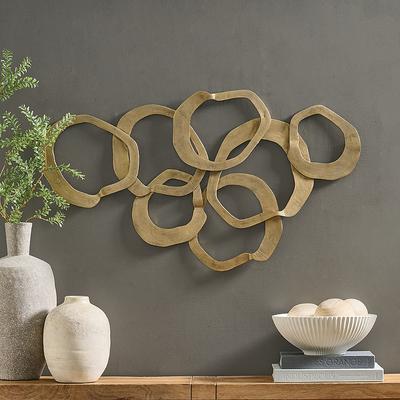
Angelo Metal Dimensional Wall Decor - Grandin Road"Cast dimensional rings in an abstract design . 100% cast aluminum . Impressive, 45"" width . Hand-crafted, with an antique brass finish . Keyhole mechanism; ready to hang (horizontally only) . Imported . A Grandin Road exclusive. Your happiness is..."216,75 $*Shipping: 29,95 $Secure redirect to the provider
-
What about the depth in three-dimensional space?
Depth in three-dimensional space refers to the distance or extent of an object or space in the third dimension, perpendicular to both length and width. It is the measurement of how far back an object or space extends, providing a sense of volume and perspective. In a three-dimensional environment, depth allows for a more realistic and immersive representation of objects and spaces, and is essential for creating a sense of distance and spatial relationships. It is a fundamental aspect of three-dimensional design, art, and visualization. **
-
How do these planes lie in three-dimensional space?
These planes lie in three-dimensional space in such a way that they do not intersect each other. Instead, they are parallel to each other, meaning they are always the same distance apart and will never meet. This creates a configuration where the planes are side by side, but never cross each other's paths. This arrangement can be visualized as three separate sheets of paper placed next to each other in space. **
-
What is the normal vector in n-dimensional space?
In n-dimensional space, the normal vector is a vector that is perpendicular to the surface or hyperplane of interest. It is a vector that is orthogonal to all vectors in the subspace or hyperplane. In 3-dimensional space, the normal vector is a single vector that is perpendicular to the surface. In n-dimensional space, there can be multiple normal vectors, each perpendicular to the subspace or hyperplane. **
-
Is the shadow of a 4-dimensional object three-dimensional?
No, the shadow of a 4-dimensional object is not three-dimensional. When a 4-dimensional object is projected onto a 3-dimensional space, its shadow will appear as a 3-dimensional object. This is because the shadow represents the intersection of the 4-dimensional object with the 3-dimensional space it is projected onto. **
* All prices are inclusive of VAT and, if applicable, plus shipping costs. The offer information is based on the details provided by the respective shop and is updated through automated processes. Real-time updates do not occur, so deviations can occur in individual cases. ** Note: Parts of this content were created by AI.